
Bitcoin Payment Methods at Online Casinos in Canada: A 2026 Guide to Safe and Fast Crypto Gambling
Bitcoin Payment Methods at Online Casinos in Canada: A 2026 Guide to Safe and Fast Crypto Gambling
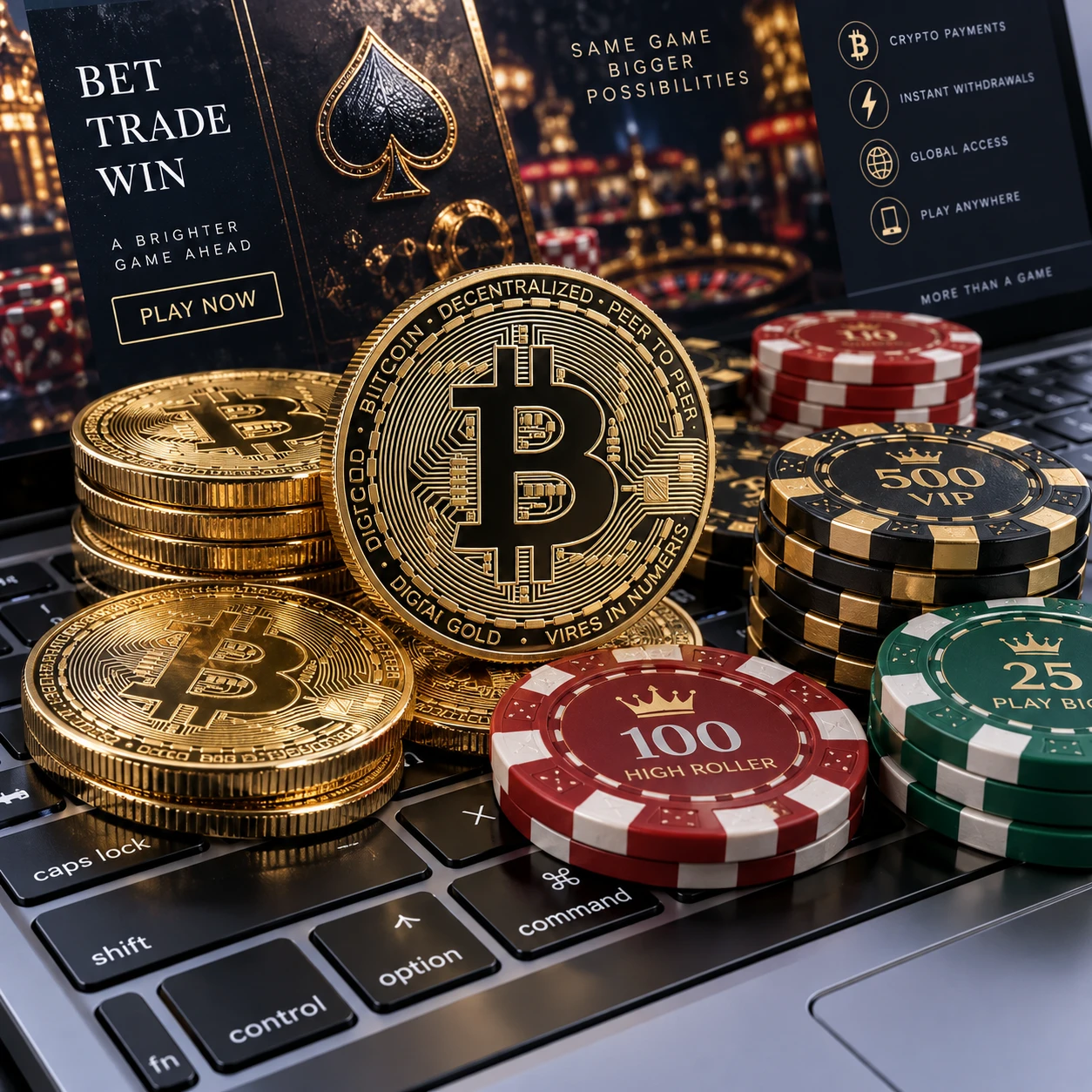
I've spent a good chunk of the last few years watching how Canadian players move their money around online casinos, and if there's one trend that's impossible to ignore heading into 2026, it's Bitcoin. More players I talk to are ditching their old Interac e-Transfers and credit cards for crypto deposits — and I get why. The transactions are quicker, the fees are smaller, and there's a layer of privacy you just don't get with traditional banking. This guide walks through what I think you need to know before gambling with Bitcoin in Canada this year. The good, the risky, and the stuff nobody tells you upfront.
What Is Bitcoin Gambling and Why Canadians Are Choosing It
Bitcoin gambling, at its core, is pretty simple. Instead of funding your casino account with Canadian dollars through a bank, you deposit, bet, and withdraw using BTC. Some casinos convert your crypto into a fiat balance behind the scenes, while others let you wager directly in Bitcoin, with winnings calculated in satoshis. Either way, the appeal for Canadian players comes down to control — you're not waiting on your bank to clear anything, and you're not handing your card details to some third-party processor every time you want to play a few hands of blackjack.
I've noticed a lot of players also like that crypto transactions don't show up on a bank statement with the casino's name attached. For some, that privacy matters more than the speed. For others, it's purely about dodging the clunky deposit limits traditional payment providers love to impose.
The Legal Landscape of Crypto Gambling in Canada
Canada doesn't have a federal law banning online gambling or cryptocurrency use, which puts us in a fairly comfortable spot compared to some other countries. Provincial regulators handle most of the oversight for gambling activity, and while most licensed Canadian-facing casinos operate offshore under licenses from jurisdictions like Malta or Curaçao, nothing stops Canadian residents from using them — Bitcoin included. That said, it's smart to stay aware of your province's specific stance, since rules can shift a bit depending on where you live.
Key Benefits of Using Bitcoin at Online Casinos
The biggest draws I keep hearing about from fellow players: speed, cost, privacy, accessibility. Deposits with Bitcoin typically land in your casino account within minutes, sometimes seconds, depending on network congestion. Withdrawals, which can take days with a bank wire, often clear in a few hours with crypto. Fees are usually a fraction of what you'd pay through a credit card processor, and since Bitcoin isn't tied to a specific bank or country, you're not stuck with currency conversion headaches on international platforms either.
Speed and Transaction Costs Compared to Traditional Methods
- Bitcoin: Deposits in minutes, withdrawals in 1–24 hours, fees typically under 1%.
- Interac e-Transfer: Deposits instant, withdrawals can take 1–3 business days, minimal fees but bank-dependent limits.
- Visa/Mastercard: Deposits instant, withdrawals 3–5 business days, fees can run 2–5% plus potential cash advance charges.
- PayPal: Deposits instant, withdrawals 1–3 days, moderate fees and occasional restrictions on gambling transactions.
Once you see the difference laid out like that, it's not hard to understand why so many players are migrating toward crypto for their casino activity.
How to Safely Set Up and Use Bitcoin for Online Gambling
Getting started isn't complicated, but there's a right way to do it. First, you'll want a crypto wallet — either a software wallet on your phone or computer, or a hardware wallet if you're moving larger amounts. From there, you buy Bitcoin through a reputable Canadian exchange like Shakepay, Bitbuy, or Coinberry, which lets you purchase BTC directly with CAD. Once you've got your Bitcoin, you send it to the wallet address on your chosen casino's deposit page. It's a straightforward process once you've done it a time or two — but double-checking wallet addresses before confirming any transfer is non-negotiable. Crypto transactions can't be reversed. Period.
Choosing a Secure Crypto Wallet
I always recommend separating your 'gambling wallet' from any long-term crypto holdings. A hot wallet, one connected to the internet, is fine for day-to-day deposits since it's convenient. But if you're holding a bigger chunk of Bitcoin, a cold wallet — something that stays offline — adds a serious layer of protection. Whatever you choose, turn on two-factor authentication wherever possible, and never store your private keys or recovery phrases somewhere accessible online, like an email draft or a cloud note.
Identifying Trustworthy Bitcoin Casinos in Canada
This is probably the step players skip too fast, and it's the one that matters most. A trustworthy Bitcoin casino should have a visible license, provide provably fair game mechanics (so you can actually verify the randomness of outcomes), offer responsive customer support, and clearly list withdrawal terms without burying them in fine print. I'd also suggest looking for platforms around long enough to build a track record. A shiny new site with zero reviews is a gamble in itself — maybe literally.
If you want a head start on narrowing down which platforms actually hold up under scrutiny, it's worth checking resources that curate reviews and comparisons of verified crypto casinos. Sites like online casino bitcoin compile that kind of information in one place, which saves you the trouble of digging through forums and half-trustworthy review blogs on your own.
Common Mistakes to Avoid When Gambling with Bitcoin
I've watched players make the same mistakes over and over, so let's cover the big ones:
- Ignoring volatility: Bitcoin's price can swing while your funds sit in a casino balance, meaning your deposit's CAD value could shift before you even place a bet.
- Skipping platform verification: Jumping into an unlicensed or unverified casino just because it offers big bonuses.
- Overlooking withdrawal limits: Some casinos cap crypto withdrawals per day or week, which gets frustrating fast if you hit a big win.
- Poor record-keeping: Not tracking your transactions can create headaches later, especially since crypto gains may carry tax implications in Canada.
Security and Privacy Best Practices for Crypto Casino Players
Beyond picking a reputable casino, there are habits that keep your funds and identity safer. Always check that the site uses SSL encryption — look for the padlock icon in your browser. Turn on two-factor authentication on both your wallet and your casino account. Be cautious with VPNs; they can add privacy, sure, but some casinos flag VPN use as suspicious activity, so check the platform's terms first. And stay skeptical of unsolicited messages claiming to be from a casino or wallet provider asking for your private keys — legit services will never ask for that. Ever.
FAQ – Bitcoin Gambling in Canada
Is Bitcoin gambling legal in Canada in 2026? Yes — there's no federal law prohibiting it. Most Canadians play on offshore-licensed platforms that accept Bitcoin without legal trouble.
How do I convert winnings back to CAD? You can transfer your Bitcoin winnings to a Canadian exchange like Bitbuy or Shakepay and sell them for CAD, which typically lands in your bank account within a day or two.
What happens if Bitcoin's value changes during a transaction? Most casinos lock in the CAD-equivalent value the moment your deposit confirms, but double-check your chosen platform's policy — this can vary.
Are crypto casino bonuses different from fiat bonuses? Often, yes. Crypto bonuses can come with different wagering requirements or exclusive promotions built specifically for Bitcoin depositors, so it's worth reading the terms closely.
Bitcoin has genuinely changed how Canadian players approach online casinos — faster deposits, quicker payouts, and a level of privacy traditional banking just can't match. But none of that matters if you're not doing your homework on which platforms deserve your trust. Take the time to verify licensing, understand the fee structures, and keep your wallet secure, and crypto gambling in 2026 can be both smooth and genuinely rewarding.