
Top Bitcoin Casinos in Canada 2026: A Complete Guide to Secure Crypto Gambling and Online Entertainment
Top Bitcoin Casinos in Canada 2026: A Complete Guide to Secure Crypto Gambling and Online Entertainment

I've watched the gambling scene in Canada shift in ways I honestly didn't see coming. Back in 2022, crypto gambling felt like a weird side experiment for the tech-savvy crowd — a niche thing, really. Fast forward to 2026, and it's one of the fastest-growing corners of the online casino world up here. Talk to anyone who's bounced between traditional sites and crypto ones, and you'll hear some version of the same thing: Bitcoin casinos just move faster. They feel more private. And they often come with perks you won't find at a standard online casino, period.
The reasons aren't complicated once you dig in. Security, anonymity, near-instant transactions — these aren't marketing buzzwords anymore, they're the actual day-to-day experience players are getting. That said, not every site slapping 'Bitcoin casino' on its homepage deserves your trust, or your wallet address. My goal here is simple: walk you through what these platforms actually are, why so many Canadians are switching over, and how to pick one that won't leave you regretting that first deposit.
What Is a Bitcoin Casino and How Does It Work?
At its core, a Bitcoin casino is an online gambling platform that lets you deposit, play, and withdraw using cryptocurrency instead of — or alongside — regular fiat currency like Canadian dollars. You fund your account with BTC, ETH, or another supported coin, place your bets in crypto-equivalent amounts, then cash out straight to your wallet. No middleman bank sitting in between.
There's an important distinction worth making here, and a lot of guides skip right past it. Some platforms are crypto-only, meaning Bitcoin or other digital currencies are the sole way to transact. Others run as hybrid casinos, accepting both traditional payment methods and crypto, which gives players flexibility depending on how comfortable they are. From what I've seen, hybrid platforms tend to pull in Canadian beginners dipping a toe into crypto gambling for the first time. Crypto-only sites, meanwhile, attract the more experienced users chasing maximum privacy and speed.
Key Technologies Behind Bitcoin Casinos
What really separates these platforms from the pack is the tech running underneath. Blockchain transparency means every transaction gets recorded on a public ledger — which makes it nearly impossible for operators to quietly manipulate outcomes behind the scenes. A lot of legitimate casinos also run provably fair gaming systems: algorithms that let you independently verify a game's result wasn't rigged. You don't have to just take their word for it.
Smart contracts have started playing a bigger role too, automating payouts the second certain conditions are met, no human approval needed. It's this mix of transparency plus automation that gives players more confidence than they'd typically get from a standard digital casino. Not perfect confidence. But a lot more than before.
Why Canadian Players Are Choosing Bitcoin Casinos in 2026
I'll be honest — when I first dug into why so many Canadians were jumping on this trend, I figured the answer would mostly be about anonymity. Turns out that's only part of the story. Lower transaction fees are a huge draw, especially stacked against credit card processing fees or e-wallet charges that traditional casinos love passing along. Withdrawal times matter a lot too; instead of waiting three to five business days for a bank transfer, crypto withdrawals can clear in minutes, sometimes hours.
There's also the access problem nobody talks about enough. Canadian banks have, on occasion, flagged or restricted transactions tied to gambling sites, and that creates real friction for players sticking with traditional banking. Crypto sidesteps all of that. Funds move without your bank acting as a gatekeeper standing between you and your own money.
Legal Status of Crypto Gambling in Canada
Now here's where things get a little nuanced, so stick with me. Canada doesn't have one single federal law banning online gambling outright — most provinces regulate it independently. Crypto gambling specifically sits in a bit of a gray area. It's not explicitly illegal for Canadians to play on offshore Bitcoin casinos, but these platforms typically operate under licenses from jurisdictions like Curaçao or Malta rather than Canadian regulators. That means player protections can vary a lot depending on where the casino's actually licensed. Which is exactly why doing your homework before signing up matters so much — I can't stress that enough.
How to Choose a Secure and Trustworthy Bitcoin Casino
This is probably the part I get asked about the most. With so many platforms popping up seemingly overnight, how do you tell the legit ones from the sketchy ones? Here's the checklist I personally run through, every single time:
- Licensing – Check who regulates the platform and whether that license is still active.
- Encryption standards – SSL encryption should be standard; if it's missing, walk away.
- Game variety – A healthy mix of slots, table games, and live dealer options signals a serious operator.
- Customer support – Responsive, multilingual support (ideally 24/7) is a good trust indicator.
- Withdrawal speed – Legitimate crypto casinos rarely delay payouts without explanation.
Beyond that checklist, I always recommend cross-referencing reviews from independent sources rather than trusting a casino's own marketing claims — those tend to say what you want to hear, not what's actually true. Sites that specialize in curated comparisons can save you hours of digging and a fair amount of potential headaches. For Canadian players specifically, a trusted bitcoin casino comparison resource can help you quickly identify which platforms actually deliver on licensing, security, and payout speed, rather than relying on flashy homepages that don't always tell the full story.
Top Features to Look for in 2026's Best Bitcoin Casinos
Once you've confirmed a platform is legit, the next step is figuring out whether it actually fits how you like to play. Multi-currency support matters if you hold more than just Bitcoin — plenty of players these days juggle ETH, Litecoin, or stablecoins too. Mobile compatibility is non-negotiable at this point. If a site isn't optimized for phones in 2026, that's a red flag about how current their development actually is.
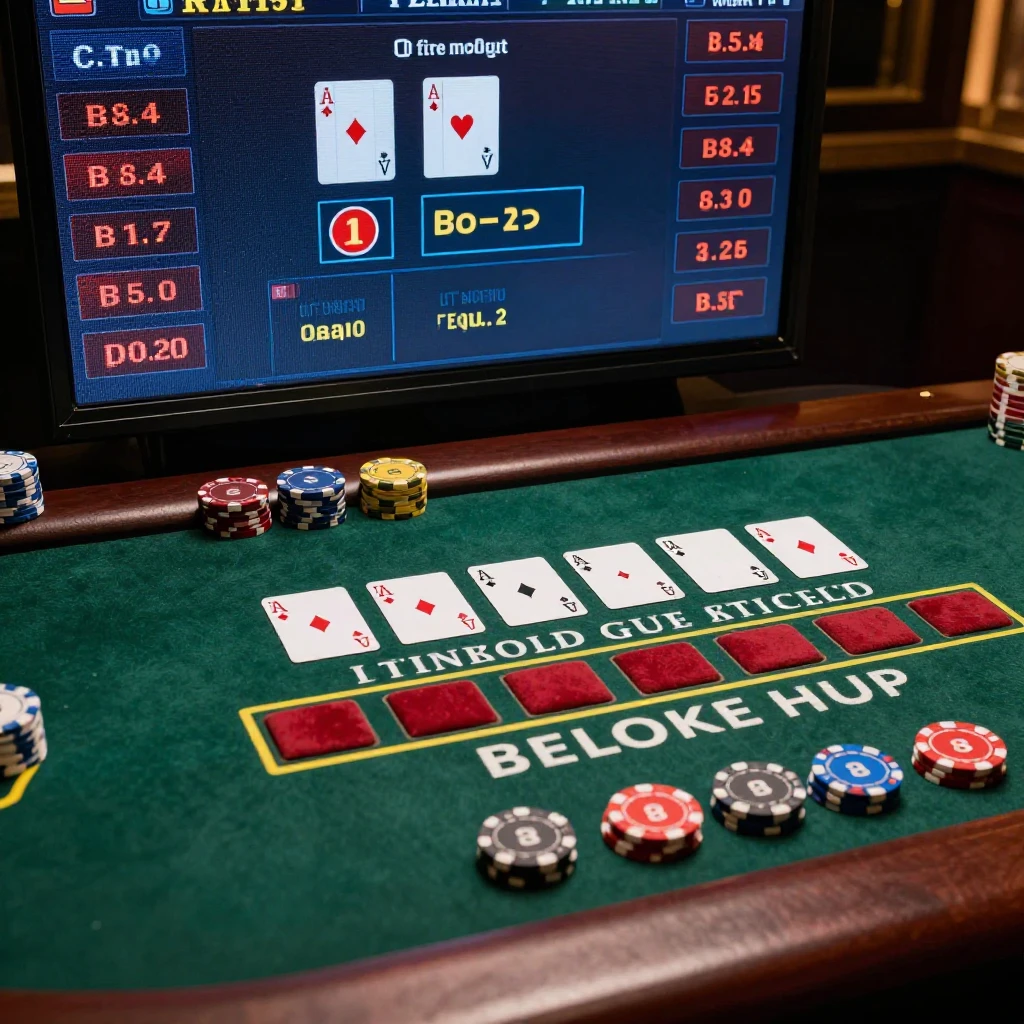
Live dealer games have also become a major differentiator, and honestly, it makes sense. Watching a real dealer through a live stream while betting in crypto adds a layer of authenticity a lot of players genuinely prefer over purely automated games. And naturally, bonus structures plus responsible gambling tools — deposit limits, self-exclusion options — round out what separates a serious platform from one just chasing quick signups.
Bonuses and Promotions Specific to Crypto Players
Crypto casinos tend to run promotions you won't typically see at fiat-only sites. Reload bonuses tied specifically to crypto deposits, free spins triggered by blockchain-verified random events, tiered loyalty programs rewarding long-term crypto users with lower house edges or exclusive tournaments — all fairly common now. Some platforms even run bonuses pegged to coin price movements, which is a quirky but increasingly popular feature among the more advanced players out there.
Common Mistakes to Avoid When Gambling with Crypto
I've seen — and, full disclosure, made myself — a few mistakes over the years, so let me save you the trouble. The biggest one is ignoring wallet security. Using a weak password or skipping two-factor authentication is basically handing your funds to anyone paying attention. Another common slip-up is choosing unlicensed platforms purely because they offer flashy bonuses, without ever checking if they're actually regulated anywhere.
Volatility is another trap, and it's an easy one to walk right into. Depositing Bitcoin when it's valued one way and withdrawing when the market's shifted significantly can mess with your actual winnings in ways players don't always see coming. And of course, failing to set betting limits before you start playing is a mistake that applies to crypto gambling just as much as traditional gambling. Maybe even more, given how fast these transactions move.
Tips for Safe and Responsible Crypto Gambling
Set a budget before you log in, not after you've already started playing. Sounds obvious, I know — but it's the single most overlooked piece of advice I give people. Use a secure, reputable wallet rather than leaving large sums sitting on an exchange. And enable two-factor authentication everywhere it's offered. No exceptions, not even once.
It's also worth being honest with yourself about problem gambling signs: chasing losses, hiding your activity from family, feeling anxious when you're not playing — these are all warning signs worth taking seriously. Stick to verified, well-reviewed platforms, and don't be afraid to walk away from a site that feels off, even if everything looks fine on paper. Your gut's usually onto something.
Conclusion
Bitcoin casinos have genuinely reshaped what online gambling looks like for Canadian players in 2026 — faster payouts, lower fees, and a level of transparency traditional platforms often struggle to match. That said, none of those benefits matter if you end up on an unlicensed or poorly managed site. Taking the time to research platforms, check licensing details, and lean on trusted comparison resources before depositing funds isn't just smart. It's essential.
As crypto adoption keeps growing across Canada, I'd expect even more innovation in this space going forward: better regulatory clarity, smarter security tools, gaming experiences that blend blockchain technology even more seamlessly into everyday play. Whatever direction it heads, staying informed and a little cautious will always be your best strategy.