
How Canadian Online Gamblers Can Protect Their Mental Health: Recognizing Neurological Signs of Gambling Addiction and Choosing the Best Bitcoin Casino Responsibly in 2026
How Canadian Online Gamblers Can Protect Their Mental Health: Recognizing Neurological Signs of Gambling Addiction and Choosing the Best Bitcoin Casino Responsibly in 2026
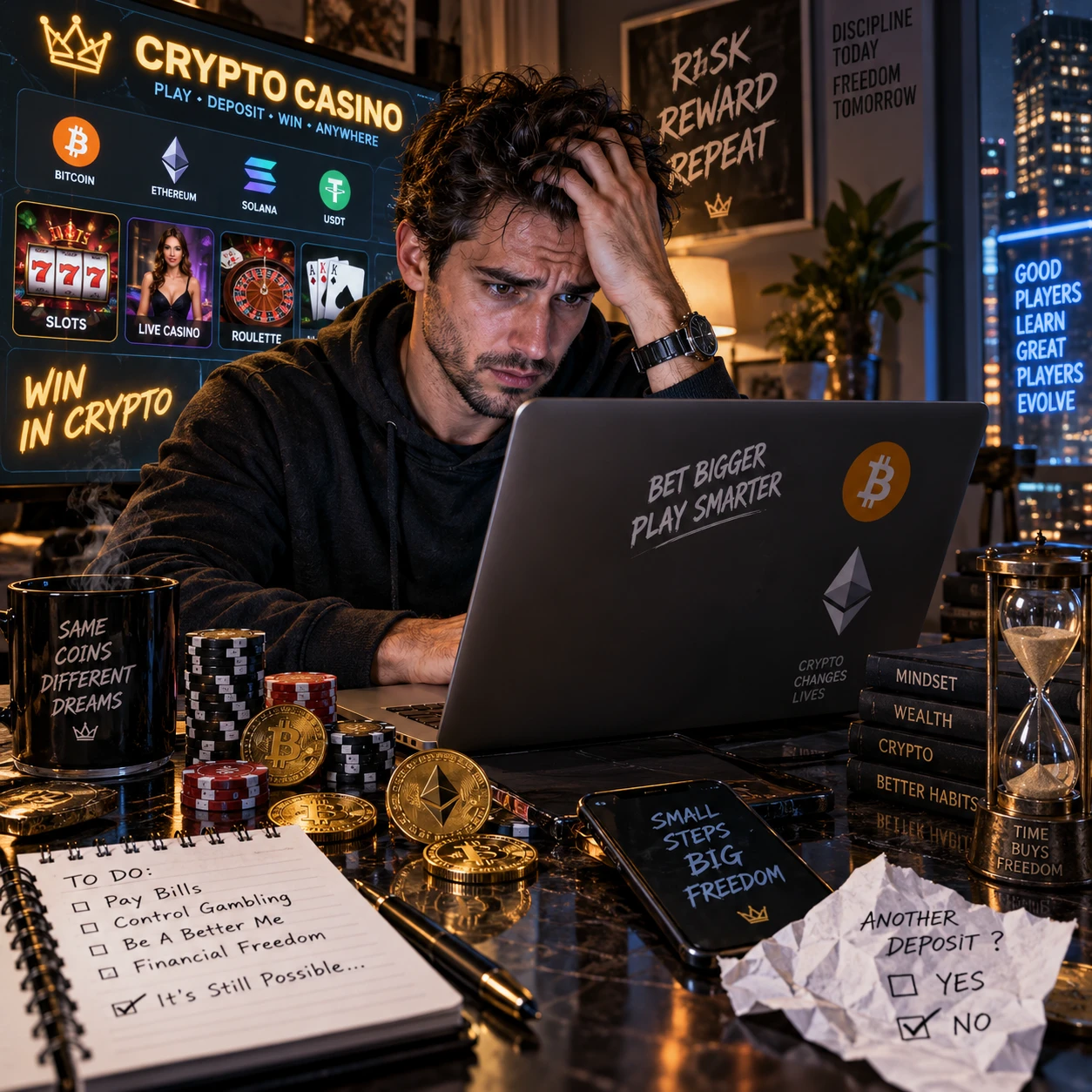
Online gambling in Canada has shifted shape fast over the past few years, and 2026 feels like an actual turning point — not just another incremental update. Bitcoin casinos are everywhere now. Instant deposits, lightning-fast withdrawals, a level of privacy traditional online casinos just can't touch.
I've watched this space grow from a niche curiosity into something mainstream for Canadian players, and yeah, the convenience is real. But there's a quieter problem running underneath all that convenience: how these platforms interact with our brains. Nobody talks about that part enough.
This isn't here to scare anyone off crypto gambling. It's here to help you understand what's actually happening neurologically when you play, how to catch early warning signs before they spiral, and how to pick a platform that doesn't exploit your brain's reward system for profit. In 2026, protecting your mental health while gambling online means getting a handle on both neuroscience and platform design — you kind of need both pieces.
The Neuroscience Behind Gambling Addiction
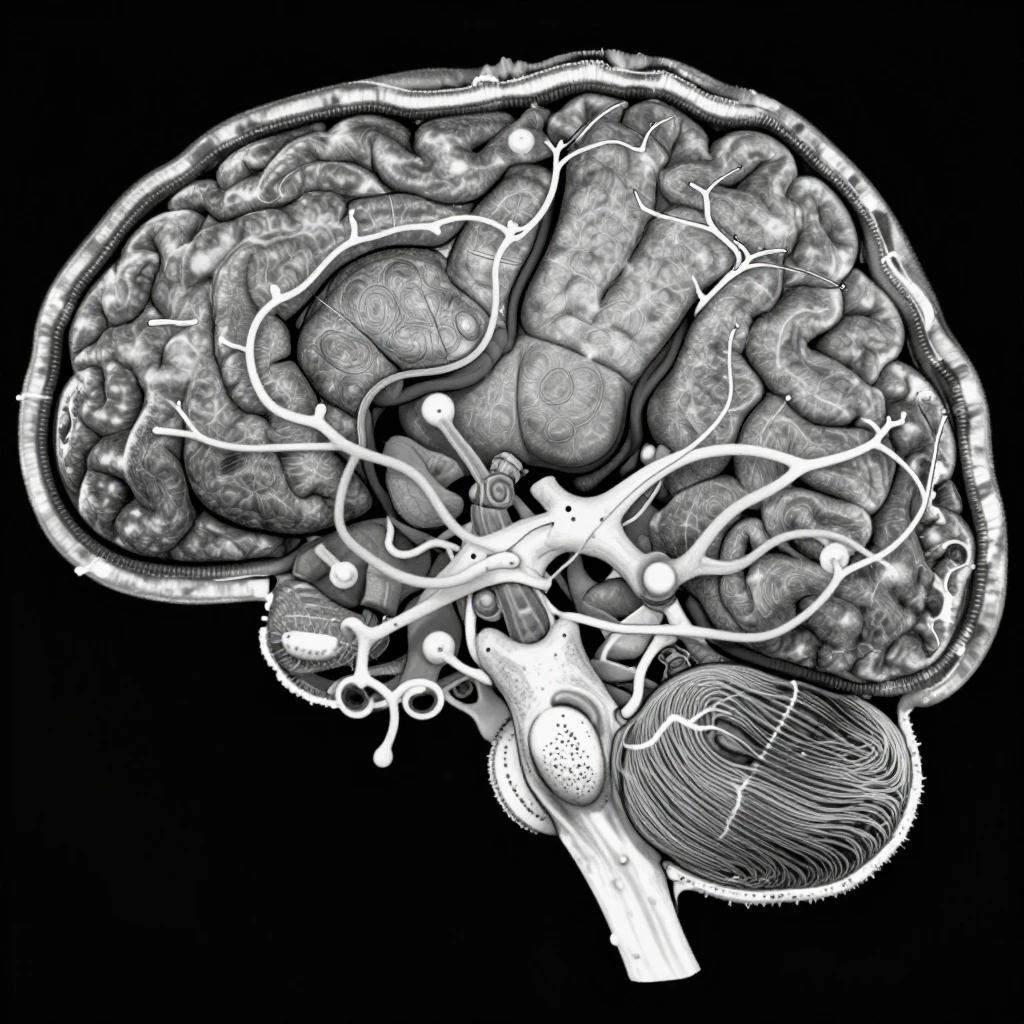
Gambling addiction isn't a character flaw. It's a brain-based condition that shares striking similarities with substance addiction — and I think that comparison gets undersold. Every time you place a bet, your brain releases dopamine, the neurotransmitter tied to pleasure and motivation.
The problem? Gambling, especially fast-paced digital gambling, triggers that release in unpredictable bursts. That's exactly the kind of pattern that makes a behavior hard to quit.
Dopamine, Risk, and the 'Near-Miss' Effect
Researchers have known for a while that near-misses — those moments where you almost win — activate reward pathways almost as strongly as an actual win does. This is called intermittent reinforcement, and it's a genuinely powerful conditioning tool.
Now throw Bitcoin transactions into the mix. Deposits and payouts that used to take hours happen in seconds now. That speed shortens the gap between risk and reward, and it can accelerate compulsive reward-seeking behavior far more than slower, traditional gambling methods ever could.
Why Online and Crypto Gambling Can Be More Addictive
Traditional casinos have built-in friction. You travel there. You withdraw cash. You wait in lines. Bitcoin casinos remove almost all of it.
They're open 24/7, sitting right there on your phone, and they often allow a level of anonymity that makes it easier to gamble without anyone — including you — tracking how much time or money is going out the door. Combine that with the psychological distance crypto creates (it just doesn't feel like 'real money' the same way cash does), and you've got a recipe that can heighten neurological risk compared to older gambling formats.
Recognizing Neurological and Behavioral Warning Signs
Most people assume financial trouble is the first sign of a gambling problem. In my experience talking with people who've struggled with this, the brain-based signs usually show up first — they're just harder to notice, because nobody's trained to look for them.
Cognitive Signs
- Difficulty making decisions outside of gambling, as if your brain is stuck in 'risk mode'
- Obsessive thought loops about the next session, bet size, or strategy
- Continuing to play despite clear, repeated losses — a classic sign of impaired risk assessment
- Distorted perception of odds, believing a win is 'due' after a losing streak
Emotional and Physical Signs
- Anxiety or restlessness when you're unable to gamble
- Irritability that seems disproportionate to the situation
- Sleep disruption tied to late-night gambling sessions or racing thoughts about wins and losses
- Mood swings that track closely with your gambling outcomes rather than real-life events
How Bitcoin Casinos Can Amplify or Reduce Risk
Not all platforms are built the same, and this is where design starts mattering just as much as personal awareness. Some Bitcoin casinos lean hard into features that exploit the brain's reward circuitry. Others actually build in safeguards.
Red Flags in Platform Design
- Auto-spin features that remove the natural pause between decisions
- Visual and audio effects that disguise losses as near-wins or 'almost' moments
- Aggressive bonus loops that require continuous play to 'unlock' rewards
- No visible deposit limits or cooldown periods
These design choices aren't accidental. They're built to keep dopamine firing as long as possible — that's the whole point, really. Recognizing them is step one toward choosing something safer.
Choosing a Responsible Bitcoin Casino in 2026
Finding the best bitcoin casino isn't just about who's offering the biggest welcome bonus or the flashiest game library anymore. In 2026, responsible Canadian players are prioritizing platforms that actively protect their mental wellbeing instead. That means looking for licensing from recognized jurisdictions, provably fair game systems you can independently check, and clear deposit or loss limits that stay under your control.
Transparent RTP (return to player) data matters too. Platforms that hide this information are usually hiding something else — that's just a pattern I've seen play out again and again. For readers who want to dig deeper into how neurological health intersects with gambling behavior and platform safety standards, resources like best bitcoin casino guidance from neuroscience-focused organizations offer a genuinely useful starting point for making brain-healthy, informed choices rather than impulsive ones.
Checklist for Vetting a Platform
- Confirm licensing jurisdiction and verify it's recognized and regulated
- Check for built-in self-exclusion options directly on the platform
- Look for adjustable deposit and loss caps you can set yourself
- Search for independent audits of game fairness and payout rates
Building Protective Habits for Mental Health
Beyond platform choice, your own habits matter — a lot. Setting hard limits before you start playing, not during, is one of the most effective tools you've got. Tracking your play time with a simple app, or even just a notes file, can reveal patterns you'd otherwise miss completely.
And don't underestimate the value of a trusted friend or family member who can check in on you honestly. Sometimes an outside perspective catches what you can't see from the inside.
Tools and Supports Available in Canada
Canada actually has solid infrastructure for this, which surprised me a bit when I first looked into it. ConnexOntario offers free, confidential support for problem gambling across Ontario, and most provinces run their own responsible gambling programs with self-exclusion registries.
The Canadian Centre on Substance Use and Addiction also publishes resources specifically addressing gambling-related harm. These aren't just for people in crisis — they're useful for anyone wanting to stay proactive about their mental health, full stop.
When to Seek Professional Help
If gambling is affecting your sleep, relationships, work performance, or your sense of control over your own decisions — that's a signal worth taking seriously. Early intervention from a mental health professional or addiction specialist tends to produce far better outcomes than waiting until things feel unmanageable.
There's still stigma around seeking help for gambling specifically. But reaching out early is a sign of self-awareness, not weakness. I'd argue it's one of the smarter moves a person can make.
Conclusion
Enjoying Bitcoin casino gaming responsibly in 2026 really comes down to two things working together: understanding what's happening in your own brain, and choosing platforms that respect that biology instead of exploiting it. Neurological self-awareness paired with careful, informed platform selection gives Canadian players a real shot at long-term enjoyment without sacrificing mental health for short-term thrills.
FAQ
Is Bitcoin gambling riskier than traditional gambling?
It can be, mainly due to speed, 24/7 access, and the psychological distance crypto creates from 'real money.' These factors can intensify reward-seeking behavior compared to traditional casinos.
What are the earliest brain-based signs of addiction?
Obsessive thoughts about gambling, irritability when not playing, and difficulty stopping despite losses are often the first noticeable signs — well before financial problems become obvious.
Are Bitcoin casinos legal and regulated in Canada?
Legality depends on licensing and jurisdiction. Always verify that a platform holds a recognized license before playing, since regulation varies significantly between operators.
Can self-exclusion tools actually help?
Yes — provincial self-exclusion programs and platform-level tools have been shown to meaningfully reduce compulsive gambling behavior when used consistently and combined with other support strategies.