
Bitcoin Casinos in Canada 2026: A Complete Guide to Safe and Responsible Crypto Gambling
Bitcoin Casinos in Canada 2026: A Complete Guide to Safe and Responsible Crypto Gambling

I've watched the Canadian online gambling scene shift a lot over the past few years. Honestly? Nothing's moved the needle quite like cryptocurrency. Walk into any gambling forum Canadian players frequent in 2026 and crypto gambling dominates the conversation — it's everywhere. The appeal makes sense. Bitcoin casinos offer speed, privacy, and convenience that traditional fiat platforms just can't match. But with that convenience comes a responsibility to actually understand what you're getting into. So this guide walks through what I think Canadian players need to know before diving into crypto gambling, with safety and responsible play front and center.
What Are Bitcoin Casinos?
At their core, Bitcoin casinos are online gambling platforms that accept Bitcoin — and often other cryptocurrencies — as a deposit and withdrawal method. Instead of linking a bank account or credit card, you fund your account through a crypto wallet. The transaction gets recorded on the blockchain rather than processed through some traditional banking intermediary.
And that matters, because blockchain transactions don't rely on the same clearing systems that slow down conventional banking. Once a transaction confirms on the network, it's done. Essentially. For Canadian players who've grown frustrated with slow e-transfer withdrawals or credit card declines from overly cautious banks, this format feels like a breath of fresh air.
How Bitcoin Casinos Differ from Traditional Online Casinos
The differences go beyond just the payment method. Transaction speed is probably the biggest one — where a traditional casino might take three to five business days to process a withdrawal, a Bitcoin casino can often send funds within minutes or hours. Fees also tend to run lower, since you're cutting out banks and payment processors entirely. And then there's anonymity: most reputable platforms still require some form of identity verification, sure, but crypto transactions generally expose less personal financial information than, say, a credit card statement would.
Are Bitcoin Casinos Legal in Canada?
This is probably the question I get asked most. The short answer: it's complicated, but generally permissible for players. Canada's Criminal Code technically restricts unlicensed gambling operations, but enforcement has historically focused on operators, not individual players. Most Canadians gamble at offshore-licensed sites — platforms holding licenses from jurisdictions like Curaçao, Malta, or the Isle of Man.
Provincial regulation adds another layer of nuance here. Ontario, for instance, runs its own regulated iGaming market, though crypto-specific licensing within that framework is still developing as of 2026. Outside Ontario, most provinces just leave players to use offshore sites without direct provincial oversight. My advice? Confirm a casino's licensing credentials before depositing a single satoshi. And understand that playing at an offshore site means relying on that jurisdiction's regulatory standards — not Canada's.
Benefits of Using Bitcoin at Online Casinos
There's a reason crypto gambling took off the way it did. For starters, payouts are dramatically faster — I've seen withdrawals clear in under an hour at well-run platforms, compared to days with traditional banking rails. Fees are typically minimal, sometimes nonexistent, which matters a lot if you're a frequent player making regular deposits and cashouts.
Privacy's another big draw. You're not handing over full banking details to a third party, and transactions don't show up on a bank statement with a casino's name attached to them. Many platforms also roll out crypto-exclusive bonuses — higher match percentages, lower wagering requirements — specifically to pull in crypto users. If you're looking to explore vetted, legitimate options rather than diving in blind, resources like bitcoin casinos listings can be genuinely useful for comparing platforms before you commit any funds.
Common Cryptocurrencies Accepted Beyond Bitcoin
Bitcoin remains the flagship currency, but most platforms now support a broader range of coins. Ethereum's widely accepted thanks to its smart contract capabilities, which some casinos use for provably fair game verification. Litecoin's popular for its faster block times and lower fees. And stablecoins like USDT and USDC have gained traction too, among players who want crypto's speed without the price volatility — useful if you don't want your bankroll's value swinging around mid-session.
How to Choose a Safe Bitcoin Casino
Not all platforms are created equal, and this is exactly where due diligence pays off. Start with licensing — a legitimate casino displays its license number and issuing authority, usually tucked in the footer. Next, look for provably fair technology, which lets you independently verify that game outcomes haven't been manipulated, using cryptographic hash functions.
Security protocols matter too. SSL encryption, cold storage for crypto reserves, two-factor authentication — these are baseline expectations in 2026, not bonus features. Check how responsive customer support is before you actually need them in a hurry, and read independent player reviews instead of relying solely on a casino's own marketing. Comparing options through established bitcoin casinos directories can save you a lot of trial and error here.
Red Flags to Watch For
- No visible license number or vague references to 'international licensing'
- Unrealistic bonus offers, like 500% match bonuses with no clear terms
- Poor or nonexistent customer support channels
- Negative patterns in player reviews, especially around withdrawal delays
- No transparency around the house edge or RTP (return to player) rates
Responsible Gambling with Cryptocurrency
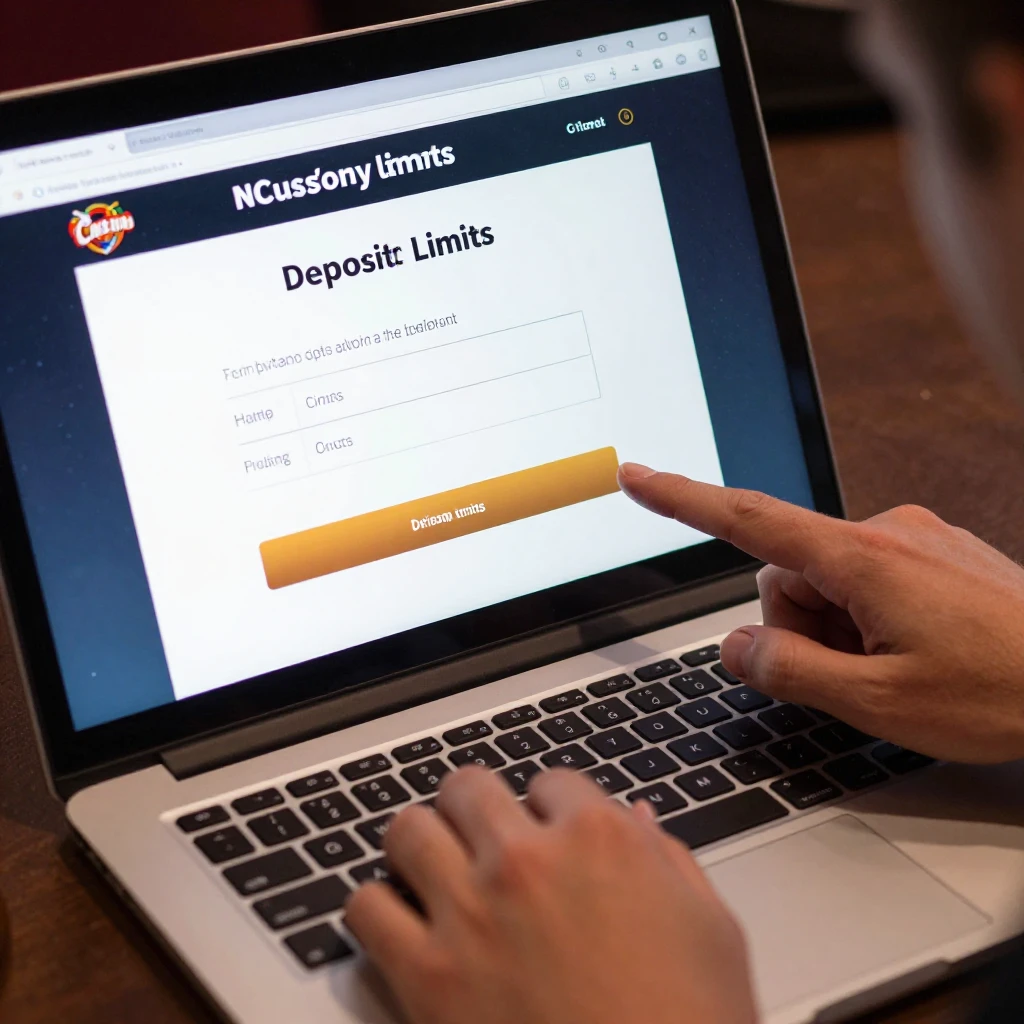
Here's something I don't think gets talked about enough: the speed and low friction of crypto transactions can actually work against you. When deposits take seconds instead of days, that natural pause — the one that might make you reconsider a bet — just disappears. That's a real risk. Worth being honest with yourself about it.
Practical steps help a lot here. Set deposit limits before you start playing, not after a losing streak already has you rattled. Most reputable platforms offer self-exclusion tools — use them if you notice your play creeping into territory that feels less like entertainment and more like compulsion. Watch for warning signs: chasing losses, gambling with money earmarked for bills, feeling anxious when you're not playing. Organizations like the Responsible Gambling Council offer free resources for Canadians who want support.
Common Mistakes Canadian Players Should Avoid
I've watched players make the same mistakes over and over, so let me save you some trouble. First, wallet security gets overlooked constantly — always use hardware wallets or reputable software wallets with strong passwords and two-factor authentication, rather than leaving large sums sitting in an exchange account.
Second, never skip verifying a casino's licensing just because the site looks polished. Third — and this one's easy to fall into with crypto's speed — chasing losses is a trap. If you're down, walk away rather than doubling your bet to 'win it back.' Finally, read the fine print on crypto bonuses. Wagering requirements can be steep, and some bonuses exclude certain games or cap maximum withdrawals, which leaves you disappointed if you didn't catch the terms upfront.
Conclusion
Bitcoin casinos have genuinely reshaped what online gambling looks like for Canadian players in 2026 — offering speed, privacy, and flexibility traditional platforms struggle to match. But none of that matters much if you're not playing safely and responsibly. Do your homework on licensing, use provably fair platforms, protect your crypto wallet, and set limits before you ever place a bet. Crypto gambling can be an exciting way to play. It just works best when you approach it with the same caution and common sense you'd apply to any financial decision.